

Hydraulic cylinders play a vital role in various industrial applications, allowing machines to operate efficiently and effectively. Over time, degradation can lead to diminished performance, breakdowns, and even total failure of these essential components. Understanding how to effectively restore and maintain cylinders is crucial for ensuring durability and consistency in any system.
In this article, we will explore essential tips for pneumatic cylinder restoration, with a focus on maintenance practices that can prevent significant breakdowns and extend the life of your machinery. If you are a experienced technician or a novice in the field, these insights will help you effectively tackle frequent issues and keep your cylinders in best working condition.
Grasping Cylindrical Operation
Fluid and pneumatic cylinders are crucial components in multiple machinery, changing fluid energy into physical motion. Fluid cylinders work using non-compressible fluids, generally oil, to create high force within a restricted space. When the fluid pressure is placed to one side of the cylinder, it pushes the piston, leading in linear motion. This functionality allows for heavy lifting and precise control in industrial applications, establishing hydraulic systems a staple in construction and manufacturing settings.
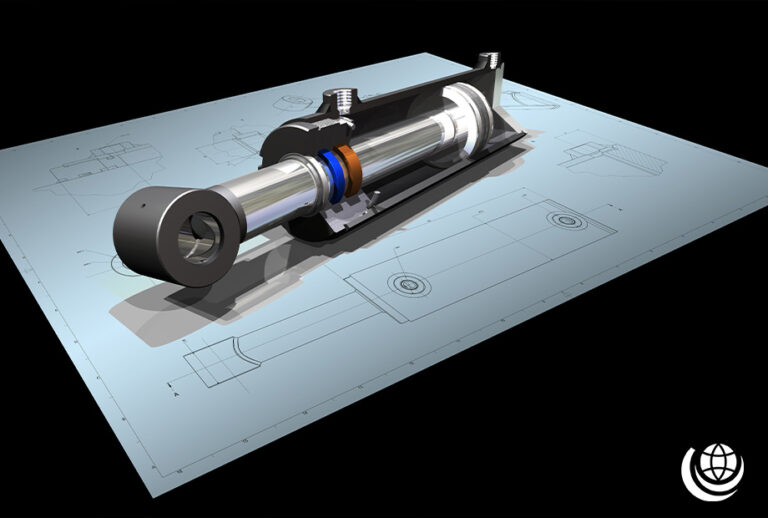
On the other hand, pneumatic cylinders utilize compressed air to reach similar motion. They generate movement through the growth of air, which is lighter than hydraulic fluid. Pneumatic systems are chosen in applications that need speed and smaller loads, such as packaging and assembly. The quick response time and ease of pneumatic cylinders render them suitable for operations requiring a high rate of movement. Understanding the differences between these two types of cylinders is crucial for efficient maintenance and repair.
Both hydraulic and pneumatic cylinders demand regular inspection and maintenance to guarantee optimal performance. Common issues that arise from neglect can entail leaks, wear on seals, and piston damage. Being familiar with the functionality of these cylinders allows technicians to detect problems more effectively and execute necessary repairs, ultimately lengthening the duration of the equipment. Proper maintenance not only boosts efficiency but also promises safety in functioning.
Routine Maintenance Practices
Regular inspection is essential for the longevity of hydraulic and pneumatic cylinders. Technicians should conduct visual checks for signs of wear, leaks, or damage. Monitoring the cylinder's seals and fittings for wear and tear can help detect potential issues before they develop. Keeping an eye on the surrounding environment for contaminants such as grime or humidity also plays a significant role in preserving the condition of the cylinder.
Greasing is another key aspect of regular upkeep. Sufficient lubrication reduces friction and wear on mechanical parts, ensuring smooth operation. It is suggested to follow the guidelines provided by the manufacturer regarding the type and frequency of lubricant use. Using the right lubricant not only enhances performance but also prolongs the lifespan of the cylinder.
In conclusion, maintaining proper operating conditions is crucial. Ensuring that the hydraulic or pneumatic system operates within recommended pressure and temperature ranges will prevent excessive stress on the cylinder. By keeping track of system performance and making adjustments when needed, operators can avoid premature failure and expensive fixes. Applying these practices leads to enhanced effectiveness and dependability of hydraulic and pneumatic systems.
Resolving Frequent Issues
When dealing with fluid-powered cylinders, it's crucial to identify and address common issues that may occur during use. One frequent problem is leaks, which can be due by degraded seals or faulty cylinder components. To investigate, begin by examining the seals and search for any apparent indications of damage. If the gaskets appear compromised, changing them quickly can help restore the cylinder's operation and avoid further liquid loss.
A different recurring issue is a drop of pressure, which can seriously impact the efficiency of your fluid-powered system. This can come about from obstructions within the hoses or screen filters, causing limited flow. To address this, examine all hoses for bends or blockages and clean filters as necessary. Ensuring that all connections are secure and clear of defects is also crucial to ensuring proper hydraulic pressure levels.
Finally, irregular cylinder operation is a issue that can lead to workplace setbacks. This problem may arise from misplacement or poor lubrication. To solve this, make sure that the cylinder is properly aligned and check any debris or blockages that could impact its operation. Additionally, ensure that the lubricant is sufficient and apply the right type of oil to reduce friction and promote smooth functioning. Cylinder maintenance and swift diagnosing can considerably prolong the longevity of your cylinders.